

Are you torn between tackling your painting project yourself or hiring a professional?
When it comes to giving your home or business a fresh look, the decision of DIY vs Professional Painting can be a tough one.
Each approach has its own set of benefits and challenges that can significantly impact the final outcome. Whether you’re refreshing a single room or undergoing a complete property makeover, understanding the differences between DIY and professional painting will help you make the best choice for your needs.
This article delves into the advantages of professional painting services and the considerations for DIY painting, guiding you toward an informed decision.
Importance of Choosing the Right Approach for Painting Projects
The approach you choose for your painting project is more than just a matter of personal preference; it can influence the quality, efficiency, and satisfaction with the results.
Professional painters bring a level of expertise and efficiency that can be particularly valuable for large-scale or intricate projects.
Conversely, DIY painting offers flexibility and cost savings that might appeal to those with smaller projects or a desire to personalize their space.
Each approach has distinct advantages and potential drawbacks that merit careful consideration.
The Benefits of Professional Painting Services in the DIY vs Professional Debate
Expertise and Experience
Professional painters are trained and seasoned in the art of painting, bringing years of experience to each project.
Their expertise is evident in the precision of their brushstrokes, the consistency of their finishes, and their ability to handle a variety of surfaces and conditions.
For example, professional painters understand the nuances of different paint types and finishes, knowing exactly when to use oil-based versus latex paints or how to apply specialty finishes like faux textures or glazes.
Beyond the basic application, professional painters are adept at preparation, which is crucial for a high-quality finish.
They meticulously clean and prime surfaces, ensuring that the paint adheres properly and lasts longer.
Their experience also allows them to troubleshoot issues that might arise, such as repairing damaged drywall, smoothing out uneven surfaces, and dealing with tricky architectural features.
Time and Efficiency
One of the standout benefits of hiring professional painters is the significant time savings.
Painting a room or an entire house is a time-intensive process that involves preparation, multiple coats, and meticulous clean-up.
Professionals streamline this process through their expertise and access to high-quality tools and materials.
They can efficiently handle all aspects of the job, from protecting furniture and flooring to applying even, smooth coats of paint.
For busy homeowners or business owners, the efficiency of professional painters means less disruption to daily life. Professionals can often complete projects in a fraction of the time it would take an amateur, allowing you to enjoy your newly painted space much sooner. This efficiency is particularly beneficial for commercial projects where minimizing downtime is crucial.
Quality Materials and Tools
Professional painters have access to high-quality paints, brushes, rollers, and other tools that can make a significant difference in the final result.
The quality of the materials used in a painting project can affect the durability and appearance of the finish. Professional-grade paints typically offer better coverage, richer colours, and greater longevity compared to standard consumer-grade products.
Furthermore, professional painters are knowledgeable about the latest advancements in paint technology and tools.
They can select the best products for your specific needs, whether it’s a high-traffic area that requires a durable finish or a space that needs to resist moisture.
This access to premium materials and tools ensures that your painting project not only looks great but also stands up to wear and tear over time.
Insurance and Warranty
Another significant advantage of hiring professional painters is the peace of mind that comes with insurance and warranties.
Reputable painting companies carry liability insurance, which protects you in case of accidental damage to your property during the painting process.
This coverage is particularly important for larger projects or those involving valuable or irreplaceable items.
In addition to insurance, many professional painters offer warranties on their work. These warranties provide assurance that any issues with the paint job, such as peeling or fading, will be addressed promptly and professionally.
This added layer of protection is invaluable, ensuring that your investment in professional painting services is secure and that you can enjoy the results for years to come.
Cost of Professional Painting
Initial Costs
The initial cost of hiring professional painters can be higher than tackling the job yourself, but it’s important to consider what you’re getting for your money.
Professional painters provide detailed estimates and quotes, breaking down the costs of materials, labour, and any additional services such as surface preparation or repairs.
This transparency helps you understand the pricing structure and budget accordingly.While the upfront cost may be higher, the value of professional services often justifies the investment.
You’re paying for the painters’ expertise, efficiency, and access to high-quality materials, all of which contribute to a superior finish that can enhance the aesthetic and value of your property.
Additionally, professional painters often offer flexible payment options and financing plans to make the investment more manageable.
Long-term Value
Investing in professional painting services can provide substantial long-term value. High-quality paint jobs performed by professionals are more durable and resistant to wear and tear, reducing the need for frequent touch-ups or repaints.
This longevity translates to cost savings over time, as you won’t have to invest in additional materials or spend your valuable time repainting.
Moreover, a professionally painted property can increase its market value and curb appeal.
If you’re planning to sell your home or commercial property, a fresh, high-quality paint job can make a positive impression on potential buyers and potentially lead to a higher selling price.
In this way, the initial investment in professional painting services can pay off significantly in the long run.
When to Hire a Professional Painter
Large Projects
For large projects, such as painting an entire house or multiple rooms, the efficiency and expertise of professional painters are invaluable.
These projects require extensive preparation, including moving furniture, covering floors and fixtures, and ensuring that surfaces are properly cleaned and primed.
Professional painters can handle these tasks efficiently, minimizing disruption to your daily life.
Large projects also benefit from the coordinated effort of a professional painting team. Multiple painters can work simultaneously, ensuring that the project is completed quickly and efficiently.
This team approach is especially beneficial for commercial projects, where minimizing downtime is crucial for business operations.
Complex Surfaces
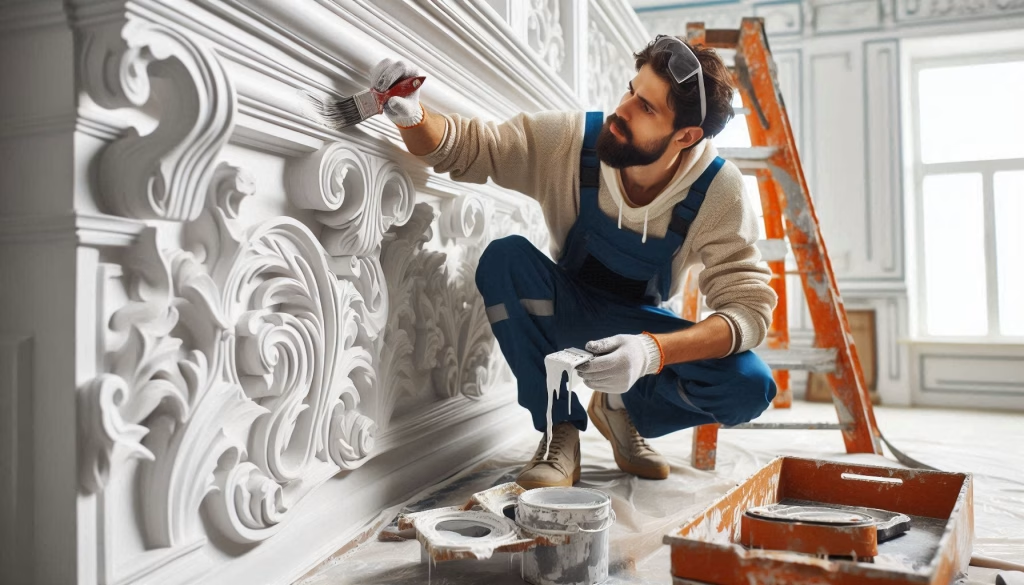
Professional painters are particularly valuable when dealing with complex surfaces or intricate architectural features.
Surfaces such as textured walls, intricate moulding, or surfaces requiring special techniques like faux finishes demand a level of skill and experience that goes beyond the capabilities of most DIYers.
Professional painters have the training and expertise to handle these challenges, ensuring a flawless finish.
Additionally, professional painters are adept at dealing with problematic surfaces that may require repair or special treatment.
They can assess the condition of the surfaces to be painted, recommend appropriate treatments, and execute them with precision.
This attention to detail ensures that the final result is not only aesthetically pleasing but also durable and long-lasting.
Safety Concerns
Safety is a significant consideration when undertaking painting projects, particularly those involving heights or hazardous conditions.
Professional painters are trained in safety protocols and equipped with the necessary tools and gear to safely complete projects that might be risky for an amateur.
This includes working on ladders or scaffolding, using protective gear, and adhering to safety regulations.
For projects involving exterior painting of multi-story buildings or difficult-to-reach areas, the safety measures implemented by professional painters are invaluable.
They can complete the job efficiently and safely, reducing the risk of accidents or injuries.
This focus on safety not only protects the painters but also ensures that your property remains undamaged during the process.
DIY Painting
Cost Savings
One of the primary attractions of DIY painting is the potential cost savings. By handling the painting project yourself, you can eliminate labour costs.
Which can constitute a significant portion of the overall expense. This cost-saving aspect is particularly appealing for smaller projects or those with a limited budget.
In addition to saving on labour costs, DIY painting allows you to allocate your budget toward higher-quality materials. By choosing premium paints and tools,
You can enhance the quality and durability of your DIY project. This investment in quality materials can improve the overall result, even if the application isn’t as skilled as that of a professional painter.
Flexibility and Control
DIY painting offers greater flexibility and control over the entire process. You can set your own schedule, working at your own pace and taking breaks as needed.
This flexibility is especially beneficial for those with busy schedules or those who enjoy the process of working on home improvement projects over time.
Additionally, DIY painting allows you to personalize your project to a greater extent.
You can experiment with different colours, techniques, and finishes without the constraints of a professional’s schedule or preferences.
This creative freedom can result in a space that truly reflects your personal style and vision.
Challenges of DIY Painting
Time and Effort
While DIY painting can save money, it requires a significant time investment and physical effort. The process involves preparing surfaces, applying multiple coats of paint, and thorough clean-up.
Each of these steps is time-consuming and can be physically demanding, especially for larger projects or those involving hard-to-reach areas.
For many, the time commitment required for DIY painting can be a major drawback. Balancing the demands of a painting project with work, family, and other responsibilities can be challenging.
Additionally, the physical strain of painting can be taxing, particularly for those who are not accustomed to such activities.
Skill Level
Achieving a professional-looking finish with DIY painting requires a certain level of skill and experience.
Techniques such as cutting in, applying even coats, and handling detailed work like trim and corners can be difficult for beginners.
The learning curve can be steep, and mistakes can result in a less-than-perfect finish.
Improper technique can lead to common issues such as streaks, drips, and uneven coverage. These problems not only affect the appearance of the paint job but can also impact its durability.
Acquiring the necessary skills to avoid these issues takes time and practice, which may not be practical for those seeking quick results.

Quality of Finish
DIY painting projects may not always achieve the same level of quality as those completed by professionals.
The finish can be affected by factors such as the quality of materials used, the painter’s skill level, and the thoroughness of surface preparation.
While some DIYers can achieve excellent results, others may struggle to produce a smooth, even finish.
Inconsistent or inadequate surface preparation is a common issue with DIY projects. Properly cleaning, sanding, and priming surfaces is crucial for paint adhesion and durability.
Skipping or rushing these steps can result in peeling, chipping, or uneven finishes. Additionally, DIYers may lack access to professional-grade tools and materials, further affecting the quality of the final result.
Painting Techniques
Interior Painting DIY
For those opting to tackle interior painting projects on their own, preparation is key. Properly cleaning and priming surfaces ensures better adhesion and a smoother finish.
Dust, dirt, and grease can prevent paint from adhering properly, leading to a subpar result.
Thoroughly cleaning surfaces with appropriate cleaners and allowing them to dry completely is a crucial first step.
Priming is another essential step that should not be overlooked. A good primer creates a uniform surface and helps the paint adhere better, especially on porous or uneven surfaces.
Skipping the priming step can result in a blotchy, uneven finish that detracts from the overall appearance of the paint job.
Exterior Painting Tips
When it comes to exterior painting, timing and weather conditions play a significant role in achieving the best results.
Painting in extreme temperatures or during wet weather can lead to issues such as cracking, peeling, and poor adhesion.
Ideal painting conditions typically involve mild temperatures and dry weather, allowing the paint to cure properly.
Preparation is equally important for exterior painting. This includes cleaning surfaces to remove dirt, mildew, and loose paint, as well as repairing any damaged areas.
Proper preparation ensures that the new paint adheres well and lasts longer, providing a durable and attractive finish.
Painting Mistakes to Avoid
Avoiding common painting mistakes can significantly improve the quality of your DIY project.
Some of the most frequent errors include using the wrong type of paint, inadequate surface preparation, and applying paint too thickly or thinly.
These mistakes can lead to a variety of issues, such as poor coverage, drips, and an uneven finish.
To avoid these problems, it’s important to take your time and follow best practices for each step of the painting process.
This includes selecting the right type of paint for your specific needs, thoroughly preparing surfaces, and applying paint in even, controlled strokes. Paying attention to details and being patient can make a big difference in the final result.
Conclusion
Choosing between DIY and professional painting depends on your specific needs, budget, and the complexity of the project.
Professional painters offer expertise, efficiency, and high-quality results, making them ideal for large or complex projects.
On the other hand, DIY painting can be a cost-effective and flexible option for those willing to invest the time and effort.
Consider the benefits and challenges of each approach to make the best decision for your next painting project.
If you’re looking for a hassle-free, high-quality finish, professional painting services offer a reliable and efficient solution.
For those who enjoy hands-on projects and are confident in their skills, DIY painting can be a rewarding and cost-effective choice.
Consider Professional Services for Optimal Results
For those seeking top-notch results without the hassle, professional painting services offer a reliable and efficient solution. Contact Major League Painting today to discuss your painting needs and discover how our expertise can transform your space.
FAQ
Is DIY painting worth it?
DIY painting can be worth it for small projects and budget-conscious homeowners. It offers cost savings and the satisfaction of completing the work yourself. However, it requires significant time and effort, and mistakes can lead to additional costs. For larger or more complex projects, hiring a professional can ensure a high-quality finish and save you time.
Should I hire someone to paint or do it myself?
Hiring a professional painter is often best for large, complex, or high-stakes projects due to their expertise and efficiency. DIY painting can be a good choice for small, straightforward projects if you have the time and skills. Consider your budget, the project’s scope, and your confidence in achieving a professional finish.
Is DIY painting difficult?
DIY painting can be challenging, especially for beginners. It involves thorough preparation, precise application, and attention to detail to avoid common mistakes like streaks and drips. While it can be a rewarding experience, it requires time, patience, and the right tools to achieve a quality finish.
What are the benefits of hiring professional painters?
Professional painters offer expertise, access to premium materials, and efficient project completion. They can handle complex surfaces and intricate details, ensuring a high-quality, durable finish. Additionally, they provide warranties and insurance, giving you peace of mind and protecting your investment.